

5 House-Hunting Secrets Every Kenyan Buyer Should Know
Tips to Save Money, Avoid Mistakes, and Find the Right Home




House hunting is exciting—but also stressful, especially if it’s your first time buying property or you’re investing from abroad. Many buyers rush, overlook hidden costs, or choose the wrong location.
Whether you’re living in Nairobi, Mombasa, Kisumu, or overseas, these 5 house-hunting secrets will help you make smart decisions, save money, and find a home that meets your needs.
START SMART: PLAN BEFORE YOU SEARCH
1. Know Your Budget — And All the Hidden Costs
Before visiting a single property, understand your true budget. Most buyers consider only the asking price, but real costs include:
- Stamp duty & transfer fees
- Legal fees & lawyer costs
- Inspection, valuation, and survey charges
- Renovation or furnishing expenses
Tip: Create a spreadsheet including all these costs. If you’re a diaspora buyer, also factor in currency conversion and bank transfer fees.
2. Define Your Must-Haves vs. Nice-to-Haves
House hunting becomes overwhelming when you don’t have clear priorities. Make two lists:
Must-Haves:
- Number of bedrooms
- Location & commute time
- Security & gated community
- Access to schools, hospitals, or work
Nice-to-Haves:
- Swimming pool or garden
- High-end appliances
- Gym or clubhouse
This will prevent you from wasting time on properties that don’t fit your goals, and help you negotiate smarter.
KNOW THE MARKET & INSPECT EVERYTHING
3. Research Neighborhoods and Market Trends
Location determines both capital appreciation and rental demand. Don’t just focus on the property itself—study the neighborhood:
- Nairobi hotspots: Westlands, Kilimani, Kileleshwa, Lavington
- Emerging towns: Ruaka, Ruiru, Athi River
- Coastal areas for holiday rentals: Diani, Watamu, Malindi
Tip for diaspora buyers: Virtual tours are useful, but also ask for real-time updates, videos of traffic, nearby facilities, and future developments.
4. Always Inspect Before You Commit
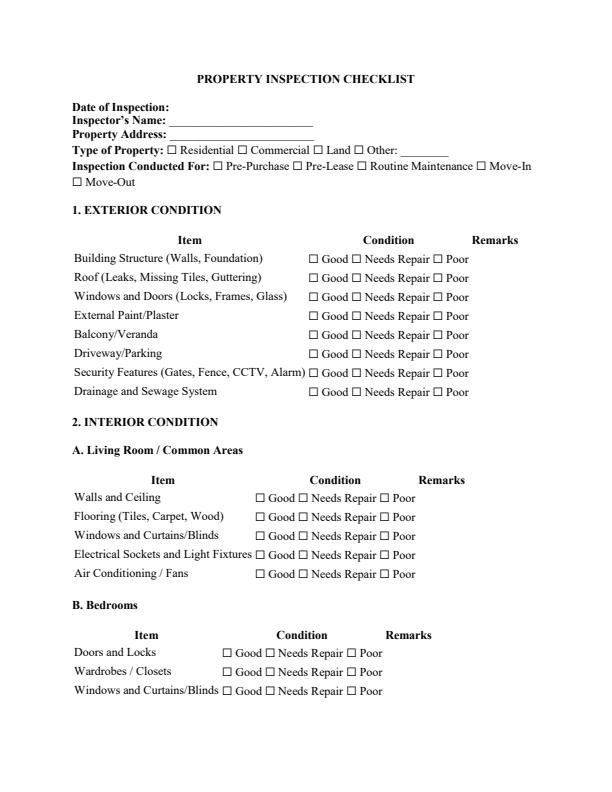
Even if buying remotely, ensure someone inspects the property physically or virtually:
- Check structural quality: walls, floors, roof
- Verify utilities: water, electricity, internet
- Assess the environment: noise, flooding risks, traffic
- Confirm legal documentation: title deed, land search, approvals
Many buyers lose money because they overlook inspection or rely solely on photos.
AVOID COMMON TRAPS & NEGOTIATE SMART
5. Don’t Ignore Negotiation & Hidden Pitfalls
Most sellers expect negotiation, but buyers often miss opportunities to save thousands. Key points:
- Compare similar properties to understand the market price
- Ask for discounts if the property has been listed for months
- Clarify payment terms and timelines
- Verify developer or seller credibility to avoid scams
Bonus tip for diaspora buyers: Use escrow accounts for secure transactions and involve a lawyer for all agreements.
Conclusion — House Hunting Made Smarter
House hunting is more than looking at listings—it’s about planning, research, inspection, and negotiation. By following these 5 tips:
- Know your full budget
- Set clear priorities
- Study the market & neighborhoods
- Inspect carefully
- Negotiate smartly
…you can save money, avoid mistakes, and confidently find a home that fits your lifestyle and investment goals.
Whether you’re in Kenya or abroad, these secrets give you an advantage in a competitive property market. Homeownership or investment is easier when you’re informed and strategic.


