
That Property Looks Perfect — But Is It Truly Buyable?
How to Tell if a Property Is Legally Safe to Buy in Kenya


Finding a property that ticks all your boxes — great location, appealing pictures, and a price within your budget — feels like hitting the jackpot. But before you fall in love and sign on the dotted line, there’s one question every buyer must ask:
Is the property truly buyable?
A property may look perfect, but real buyability lies in legal clarity, clean ownership, and full compliance with land use rules. Even experienced buyers sometimes overlook crucial checks — and that’s how costly mistakes happen.
Whether you’re buying a home in Nairobi, investing in land from overseas, or planning your retirement house, this guide will help you verify whether a property is genuinely buyable.
1. What Does “Buyable” Really Mean?
A property isn’t just about beauty or price. In legal terms, a buyable property is one that:
Has clear, documented ownership
Can be legally transferred
Meets zoning and land-use requirements
Is free from disputes, restrictions, or encumbrances
In simple words: if the law doesn’t allow the sale, then no matter how perfect it looks, it’s not a property you should buy.
For many buyers, visuals and price create excitement — but the real safety comes from documents and legal checks.
2. Start With Title Deed Verification
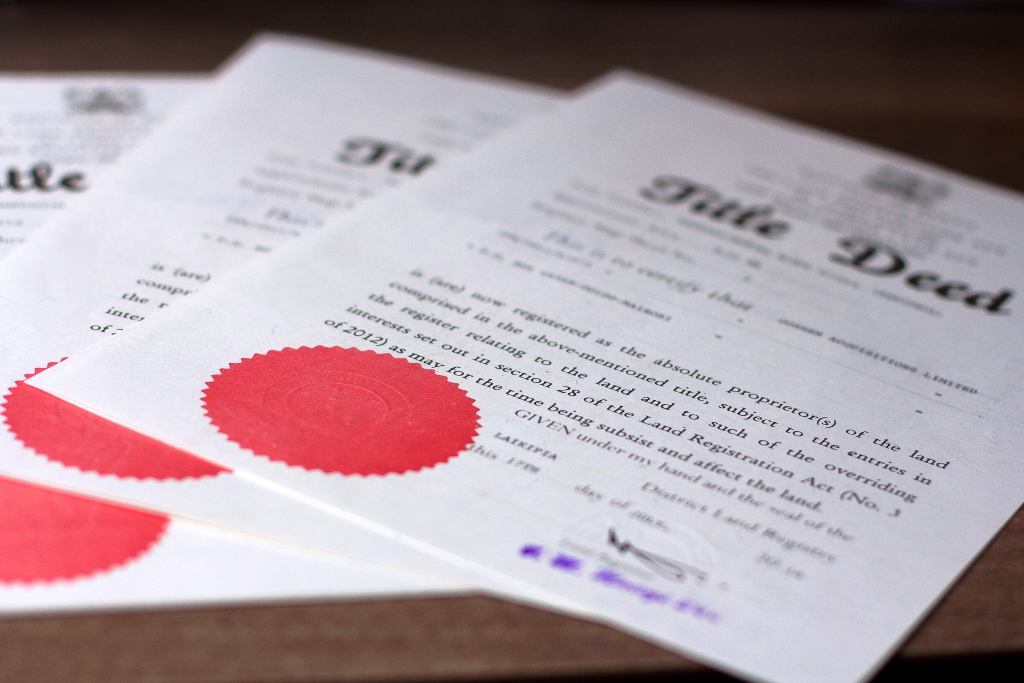
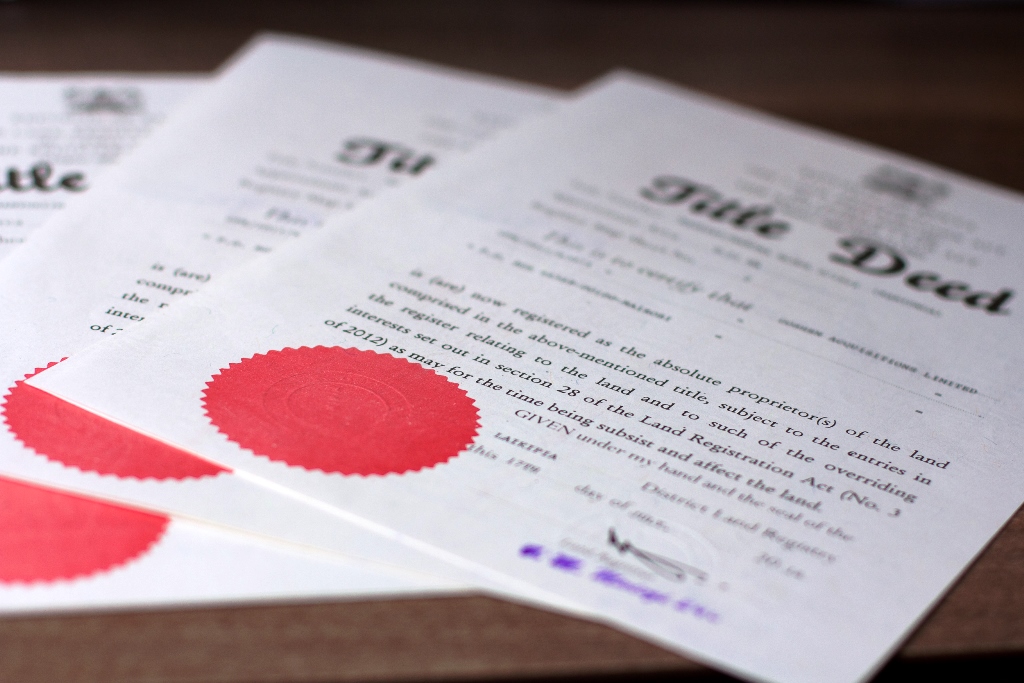
Every land or house transaction starts with the title deed — the most important document in any property purchase. A title deed tells you who owns the land and whether it’s free to be transferred.
What to Look For
- The owner’s name matches the seller’s ID
- The title type (freehold or leasehold) is clear
- No missing stamps, signatures, or codes
- Paper quality, watermarks, and registrar details are genuine
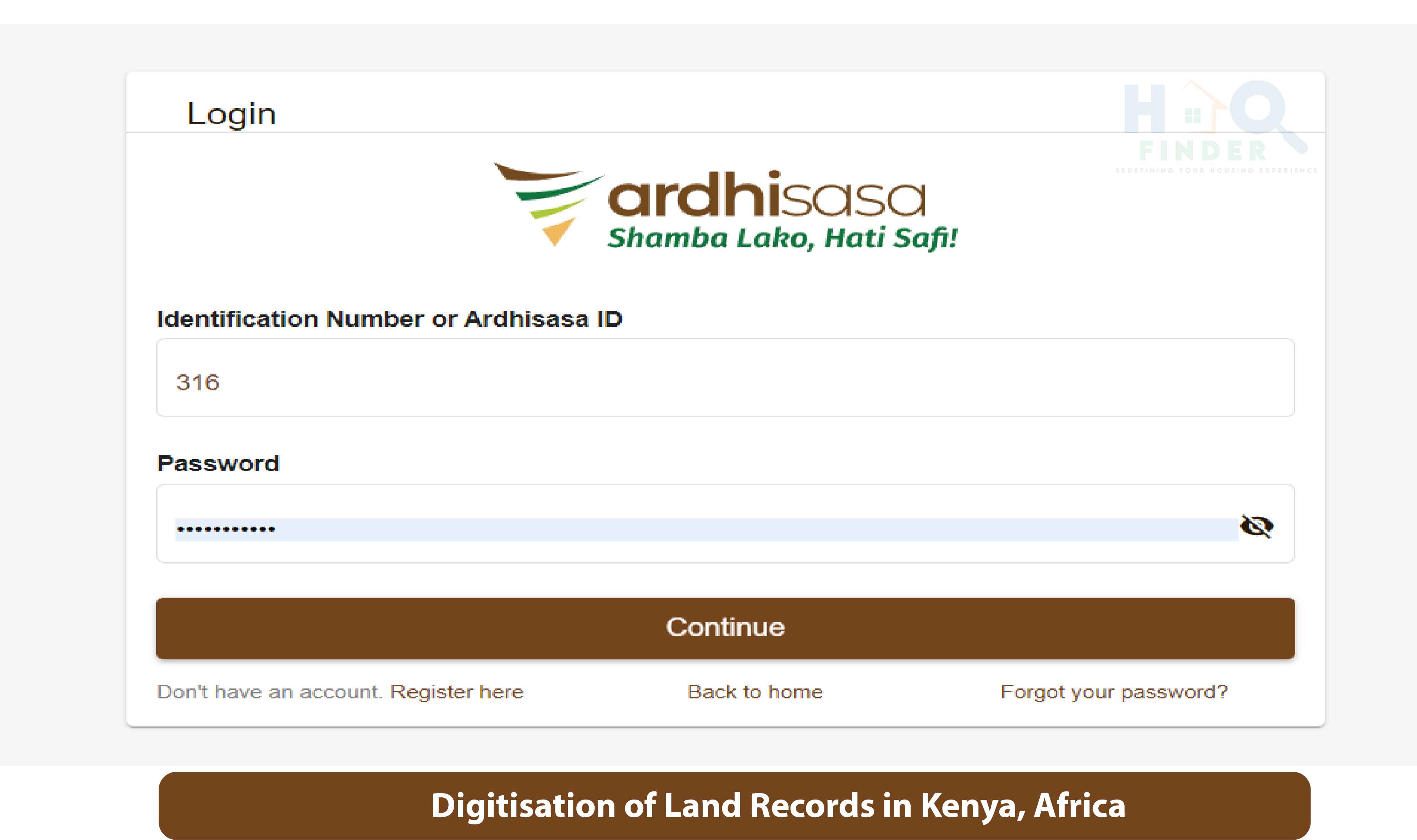
However, visual inspection alone is not enough. You must verify the deed officially either online or at a registry office. A genuine title can be confirmed using platforms like the Ardhisasa digital land registry — where you can check ownership, encumbrances, and legal status before you buy.
If anything looks off, you should pause the deal immediately.
3. Conduct an Official Land Search
A title deed tells you who the seller claims to be — but an official land search confirms it in government records.
Here’s why it matters:
- Reveals any outstanding disputes, caveats, or claims
- Shows if the land is charged under a mortgage
- Confirms whether the parcel number matches official maps
- Ensures the land is not tied to legal restrictions
You can perform this search via the Ardhisasa portal (fast and digital) or at the county land registry office if the region isn’t yet digitised.
Skipping this step is one of the biggest mistakes a buyer can make — even if the land looks perfect.
4. Confirm Zoning and Land Use
Not all land is meant for private ownership or development. Some plots are reserved for:
Public roads
Schools or hospitals
Riparian reserves (near water bodies)
Forests, parks, or government land
Buying land that is not zoned for private use can result in fines, demolition, or legal battles — even if the documents look neat. Always check with the local county planning office to see if land use matches your intention (residential, commercial, agricultural, etc.).
5. Never Skip a Physical or Virtual Inspection
Documents alone don’t tell the full story.
Visiting the property — or demanding a live walkthrough if you’re abroad — gives you invaluable context such as:
Actual boundaries and access points
Presence of squatters or boundary disputes
Road access and utilities (water, electricity)
Land markers vs. official plans
Sometimes, even good paperwork can hide issues only visible on the ground.
6. Work with Experienced Professionals
Buyability isn’t just about documents — it’s about interpreting them correctly.
Professional checks may include:
- A licensed property lawyer to verify documents and draft contracts
- A registered surveyor to match the title with physical land markers
- A trusted real estate agent who understands the local market
These experts help spot issues most buyers miss, and can save you from legal risks and financial loss.
7. Red Flags That Show a Property Might Not Be Buyable
Here are some warning signs you should never ignore:
Seller resists title deed verification
Price is much lower than market value
Seller avoids lawyer involvement
Multiple owners listed with unclear consent
No official land search has been done
If any of these appear, pause the deal and investigate further.
Conclusion — Buyability Matters More Than Beauty
A property that looks perfect may still be impossible to own — legally and safely.
Buying real estate in Kenya is not just about signing a contract; it’s about ensuring that the asset can be transferred to your name without dispute, that it complies with zoning laws, and that it is free of hidden liabilities.
Your peace of mind and financial security depend on it.
When you verify title deeds, conduct official searches, and work with trusted professionals, you’re not just buying property — you’re buying certainty, security, and confidence in your investment.
SEO
Meta Description (155 characters)
Is that perfect property really buyable? Learn how to check title deeds, land searches, zoning, and legal risks before buying property in Kenya.
Want SEO alt text and internal links to pair with this blog? I can generate those next!


